Repair · Sandy Concrete Contractor
Concrete Repair in Sandy, UT
Sunken, cracked or flaking concrete fixed, and the water behind it found. Ask for a free quote.
Sandy, Draper, Cottonwood Heights, Midvale, Alpine, South Jordan and 30 more towns
Free Repair Quote
Describe what you want built or repaired, a rough size and how the yard slopes. A phone call follows to discuss the grade and plan a visit to the property.
- Free quotes
- Sloped and bench lots
- Drainage planned first
- Homes and businesses
A sentence about the slope helps. Quotes are free.
Concrete Repair
Concrete Repair in Sandy, UT
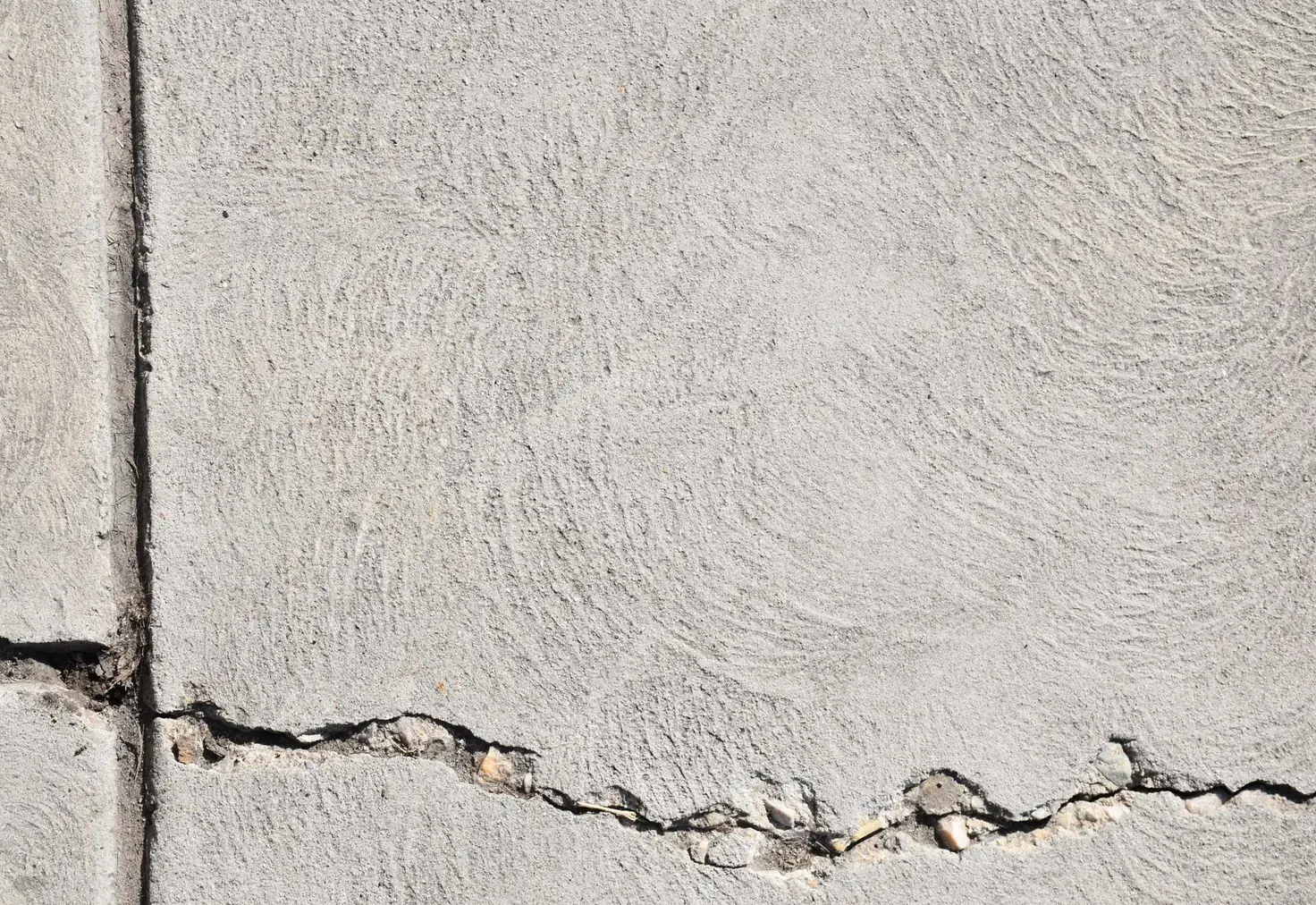
Concrete rarely fails on its own; something under it or on it changes first. On sloped lots that something is usually water: runoff from uphill, a downspout emptying at the slab edge, a sprinkler soaking the same spot every night, or soil that settles once it gets wet. So a repair starts by finding the cause and fixing it, then choosing the right remedy for the concrete. A sunken walk can often be lifted back into place. Cracks can be cleaned out and sealed. A surface flaked by salt can be resurfaced. Some panels simply need to come out.
Foundation cracks get the same approach. Some are ordinary shrinkage from when the wall cured, and crack injection seals them against water. Others mean soil is moving, and those call for more: cutting out and replacing damaged concrete, piers driven down to firm soil beneath a settling section, or stabilizing a wall that has started to bow. Waterproofing, grading and downspout extensions keep water away afterward. On steps, porches and patios that have tipped toward the house, lifting or replacing them also restores the slope that keeps water off the foundation.
What's included
What goes into concrete repair
- 01
Cause first
Finding the water, settlement or salt behind the damage before choosing a repair.
- 02
Slab lifting and leveling
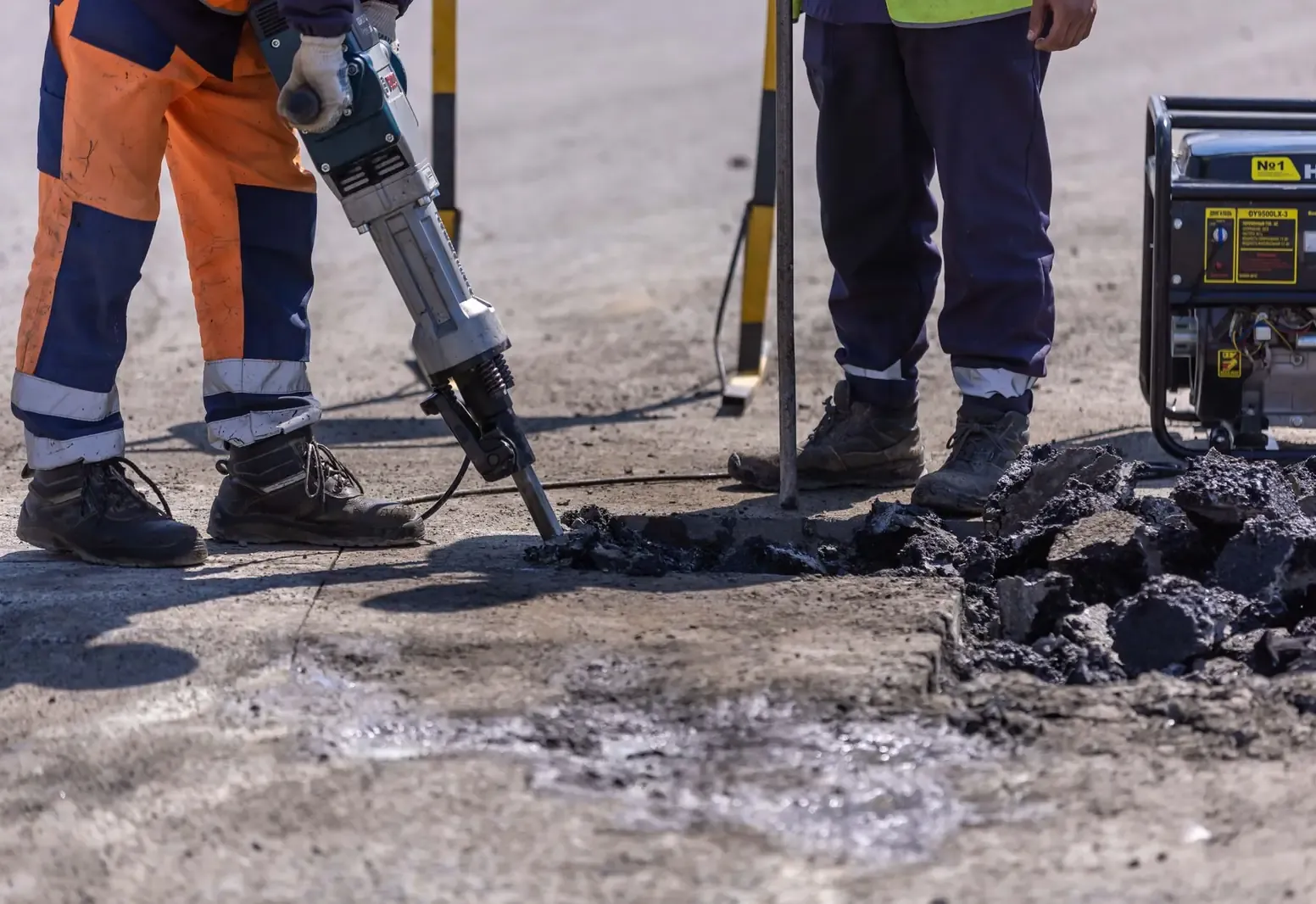
Raising sunken walks, patios and driveway panels back to grade through small drilled ports.
- 03
Crack repair
Cleaning and sealing cracks in flatwork, or injecting cracks in foundation walls.
- 04
Resurfacing and sealing
A new wearing surface over flaked concrete that is still sound, then a penetrating sealer.
- 05
Section replacement
Saw-cutting and replacing broken panels, steps or foundation sections, tied in with steel.
- 06
Foundation stabilization
Piers to firm soil for settling sections and bracing for bowing walls, with waterproofing.
Examples
Concrete Repair: examples of the work
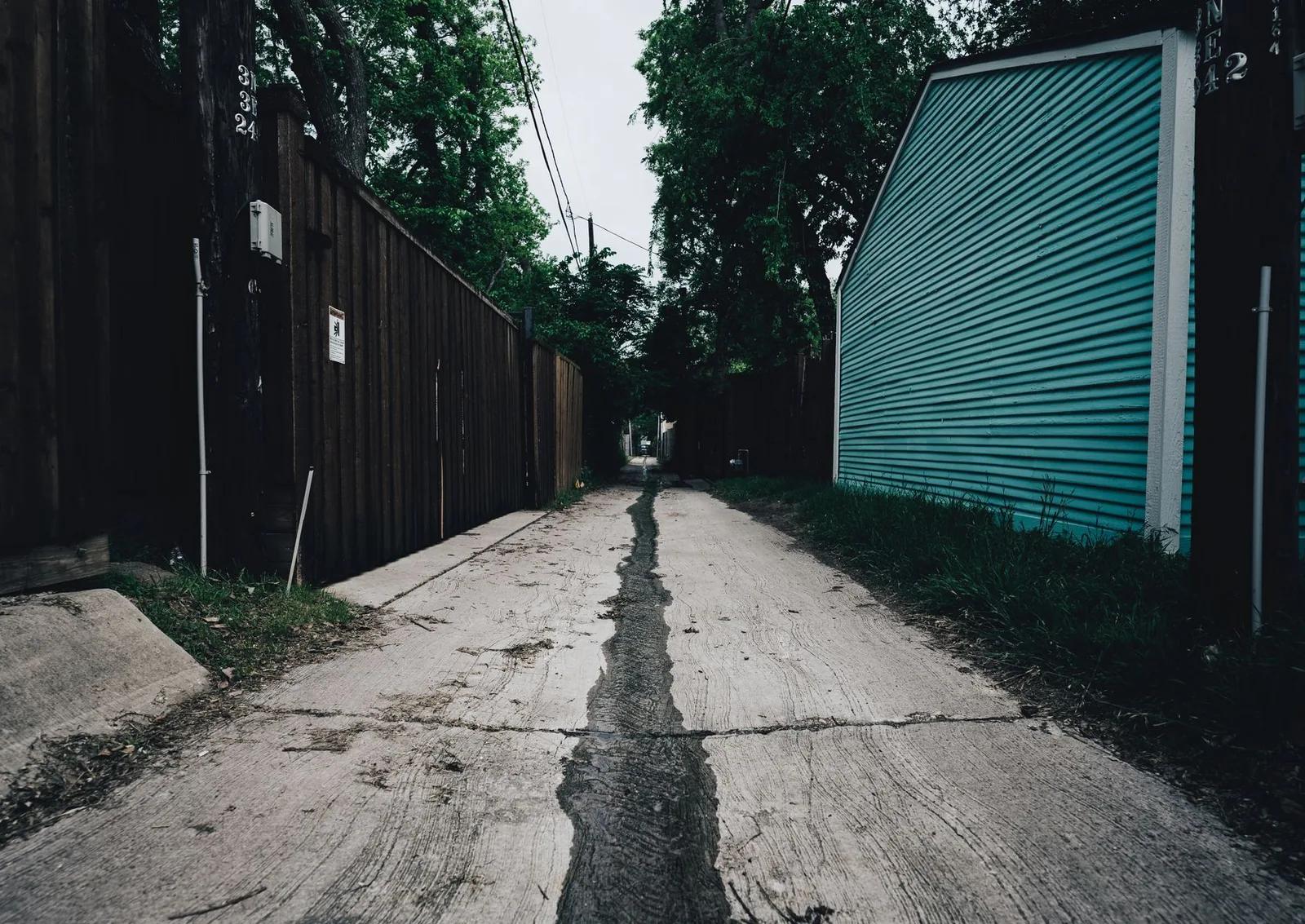
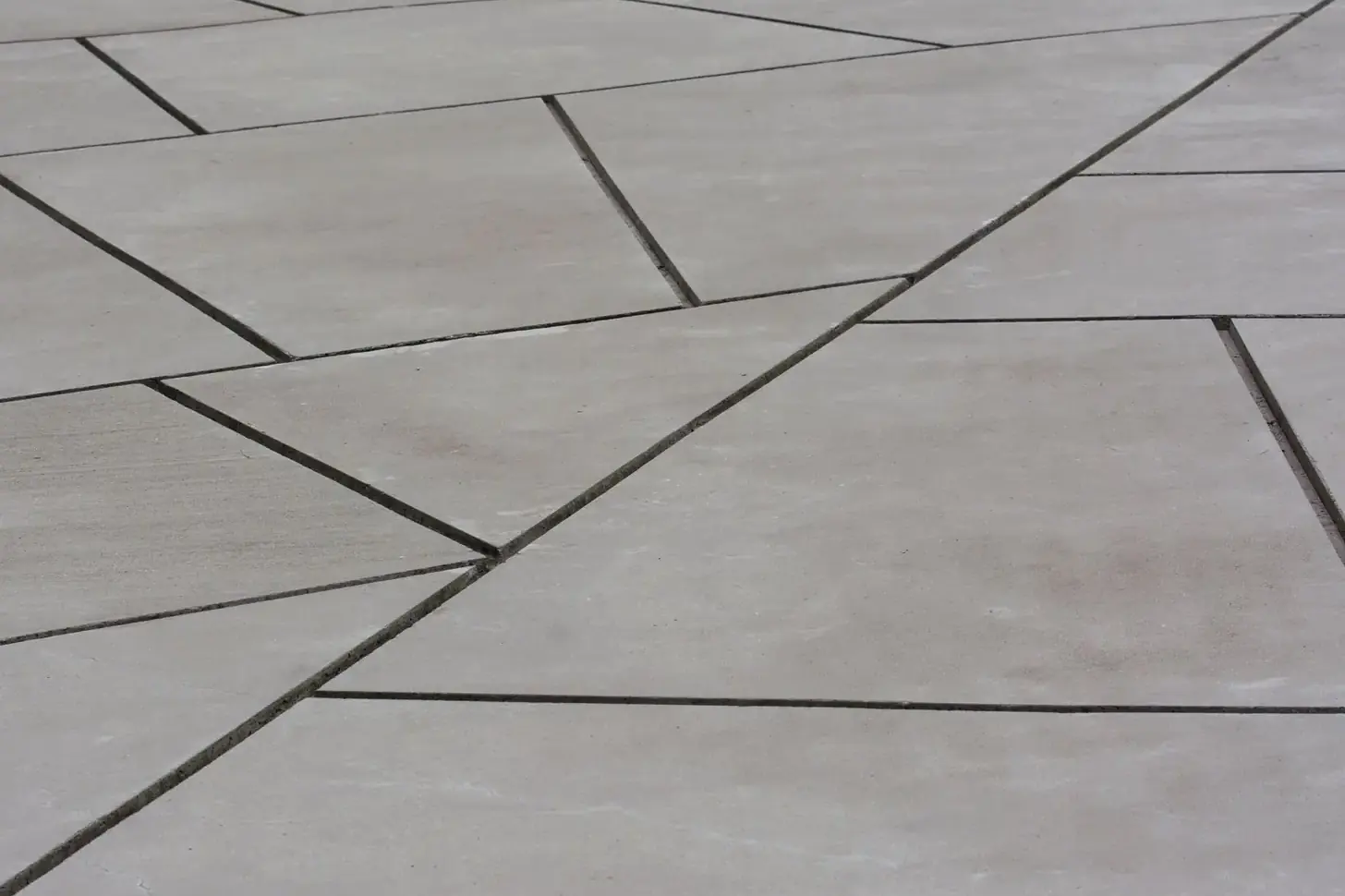
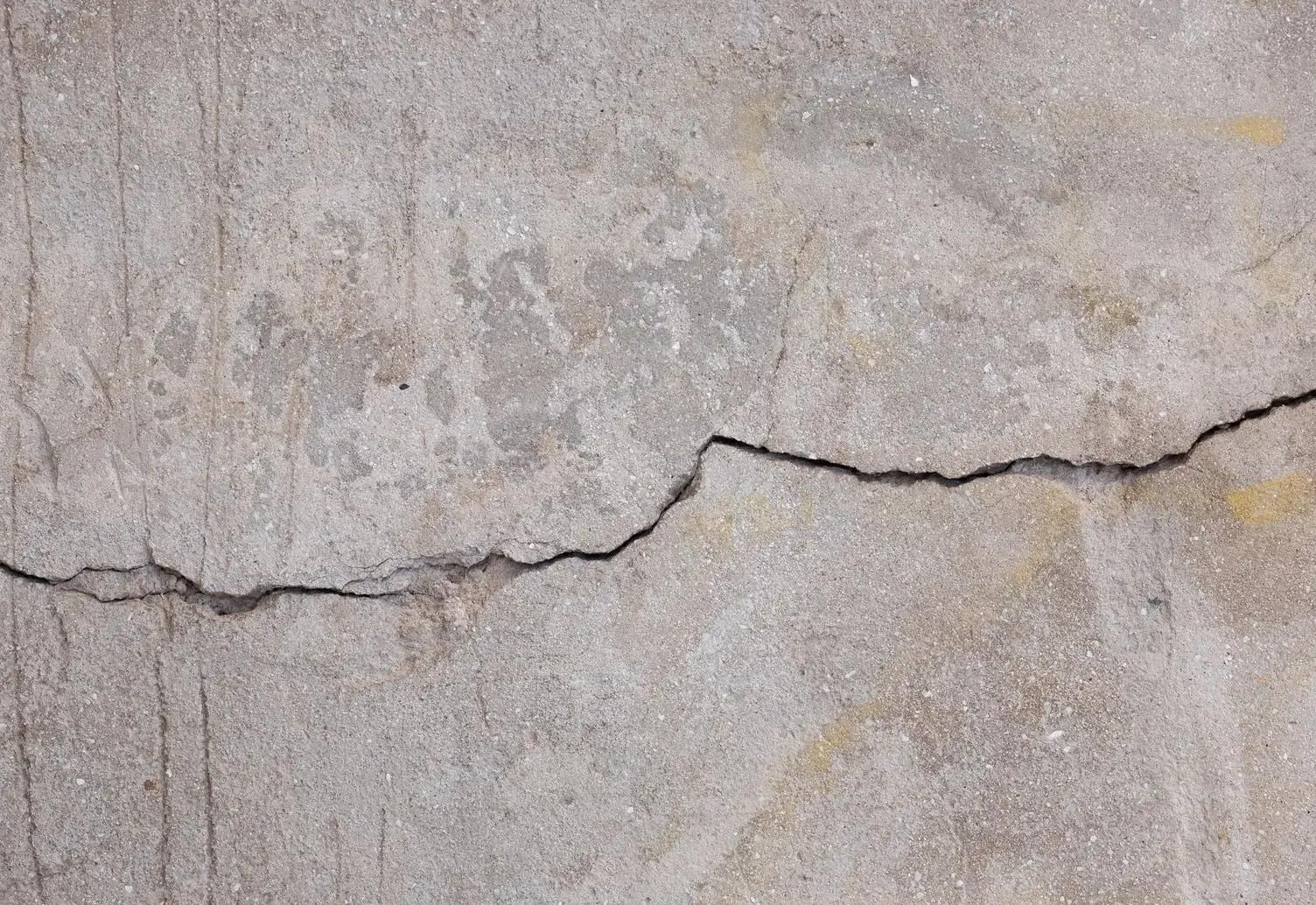
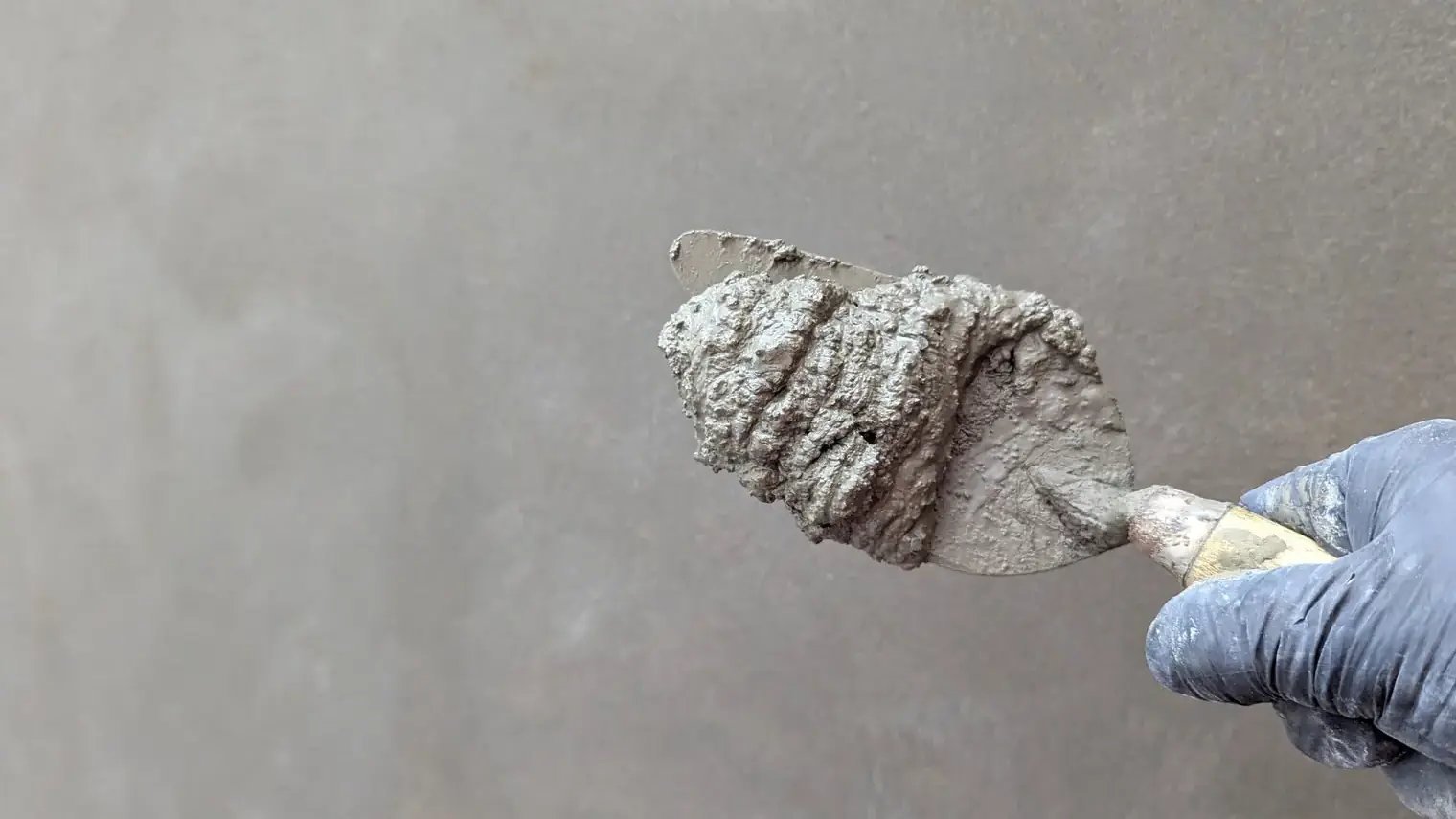
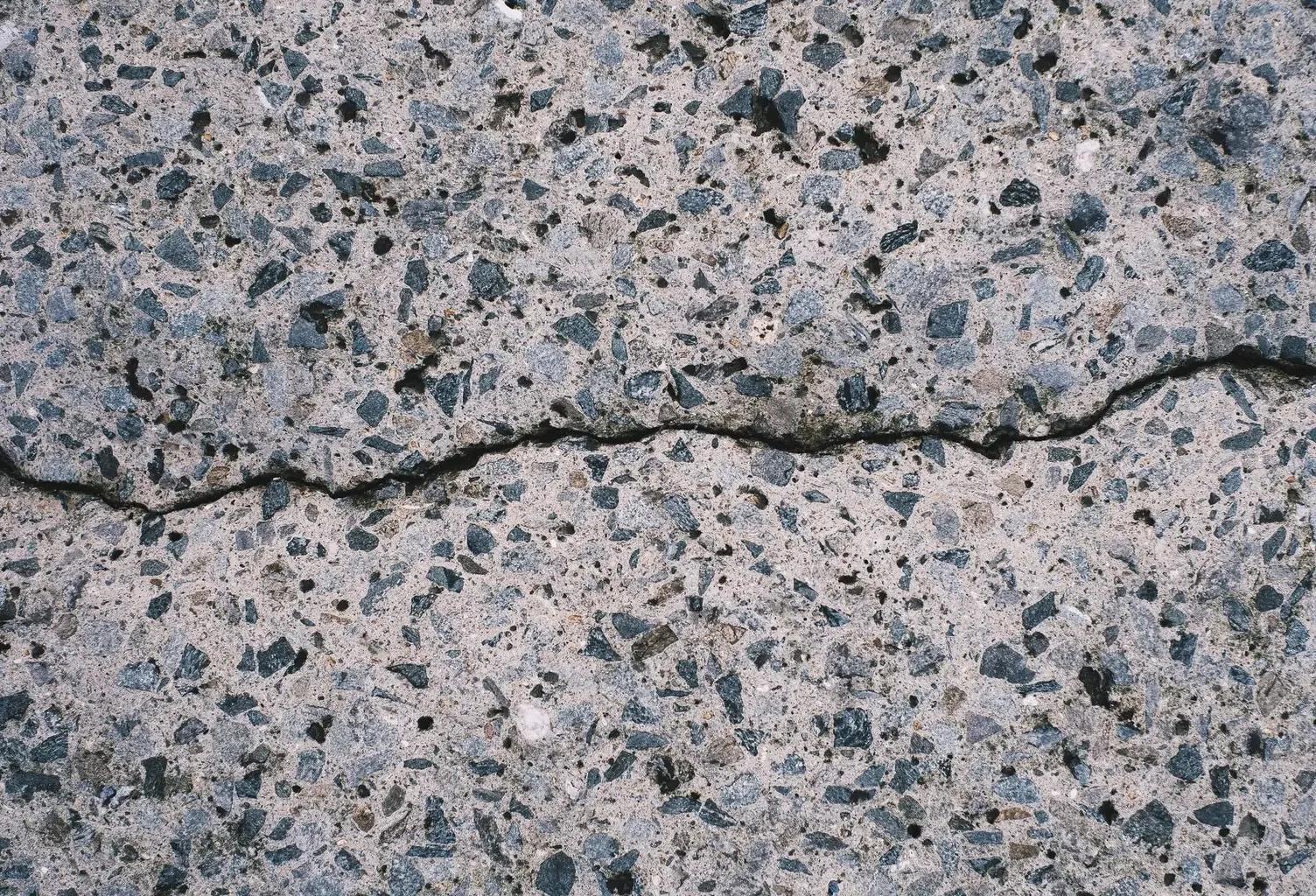
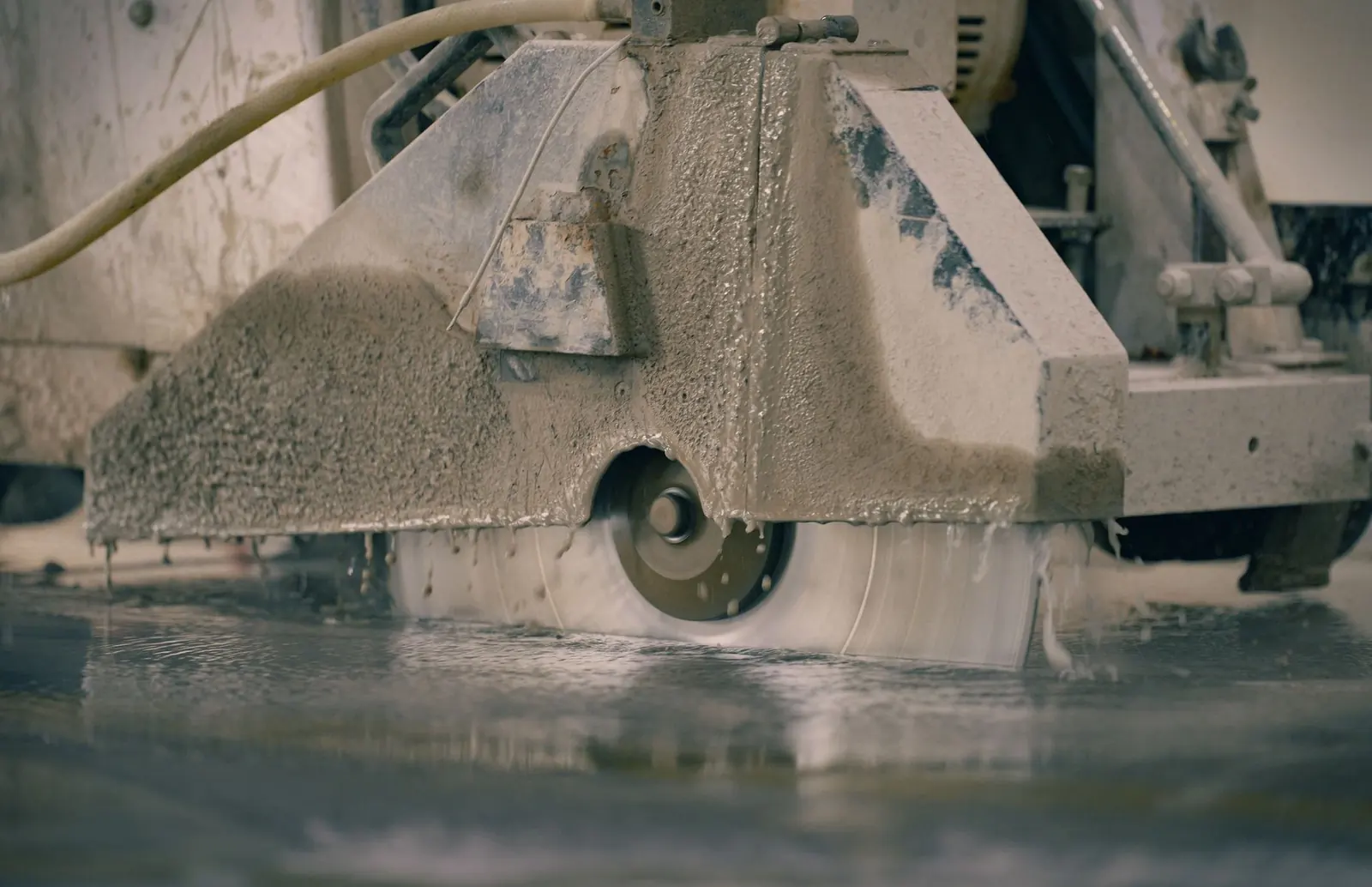
Stock photos: examples of the work type.
How it works
Concrete Repair, step by step
- 1
Find the cause
Look at drainage, downspouts, sprinklers and the soil around the damage.
- 2
Choose the fix
Weigh lifting, sealing, resurfacing and replacement for each damaged area.
- 3
Repair the concrete
Lift, inject, resurface or replace, matching slope and drainage to what surrounds it.
- 4
Keep water away
Extend downspouts, correct grade and seal surfaces so the damage does not return.
Questions
Concrete Repair questions
Why does concrete on bench lots settle?
Usually because the ground underneath changed. Fill placed during construction keeps compacting for years, some bench soils lose volume when they get soaked, and water from roofs and sprinklers finds the weak spots. Fixing the water source comes first, or the repaired slab will drop again.
What affects the cost of a concrete repair?
The method more than anything: sealing a few cracks, lifting a sunken panel, resurfacing a flaked driveway and replacing a foundation section are very different jobs. The size of the area, access, and any drainage work needed to fix the cause add to it. Repair is often far less work than replacement when the concrete is still sound.
Do concrete repairs need permits?
Most flatwork repairs, like sealing, lifting and resurfacing, do not. Structural foundation work, such as piers or replacing part of a foundation wall, may need a building permit and an engineer's input, and city sidewalks or approaches in the right-of-way fall under the city's rules. Any digging starts with an 811 call.
Should I repair or replace my driveway?
Repair when the damage is local: one or two sunken panels, a few cracks, or a surface that flaked while the slab underneath stayed sound. Replace when cracks run everywhere, many panels have moved, or water drains toward the garage and only a regrade will fix it. Seeing the driveway in person settles the question.
Can a cracked foundation wall be fixed?
Usually, and how depends on the crack. Thin shrinkage cracks are commonly injected from the inside, while cracks that let water in may also get exterior waterproofing and better drainage. Cracks that are widening, offset or paired with a bowing wall point to soil movement and call for stabilization or piers.
Concrete for sloped lots
More from Sandy Concrete Contractor
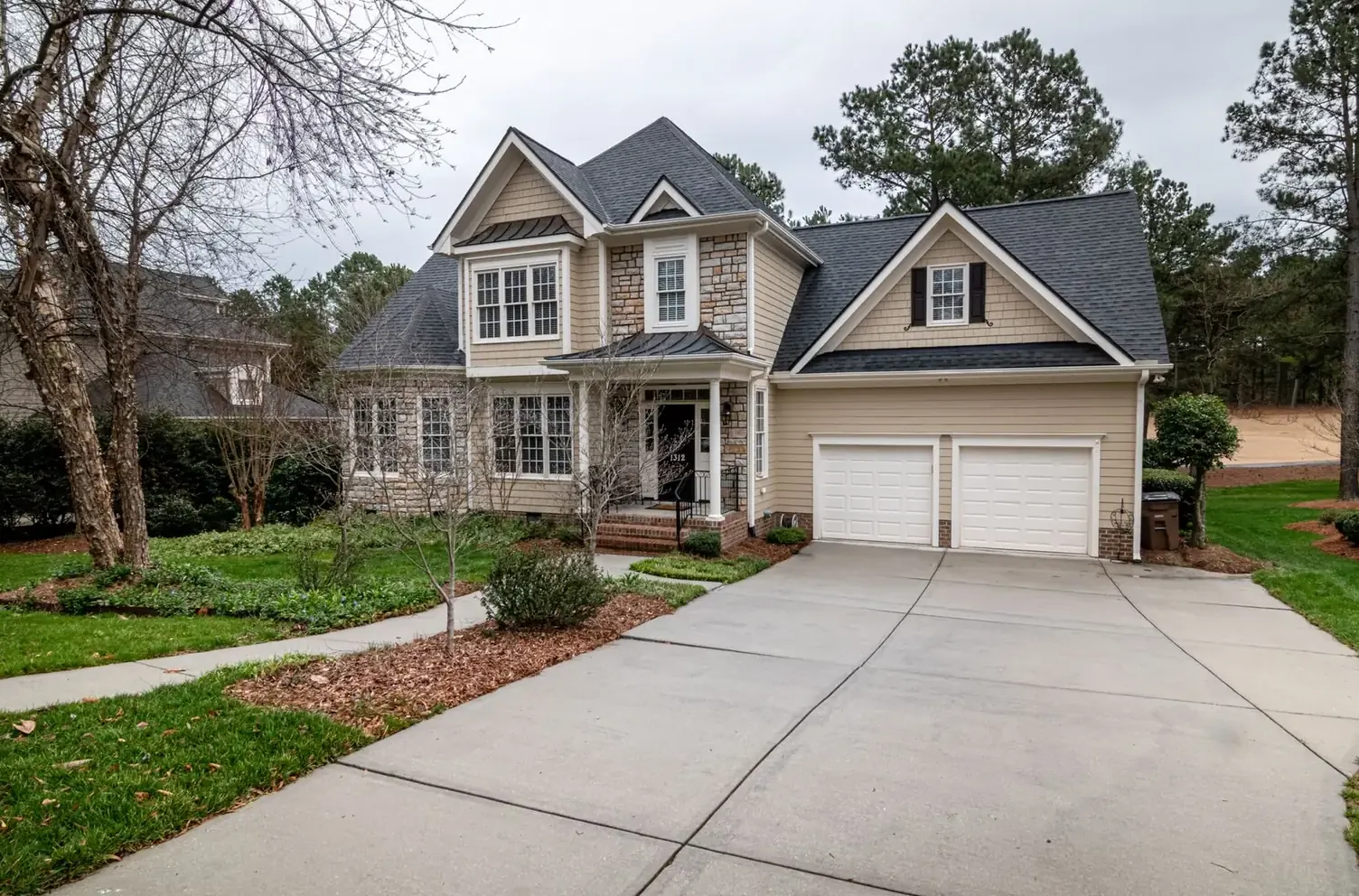
Driveways
New and replacement driveways on any grade, with transitions that do not scrape and drains that keep water out of the garage.
More on driveways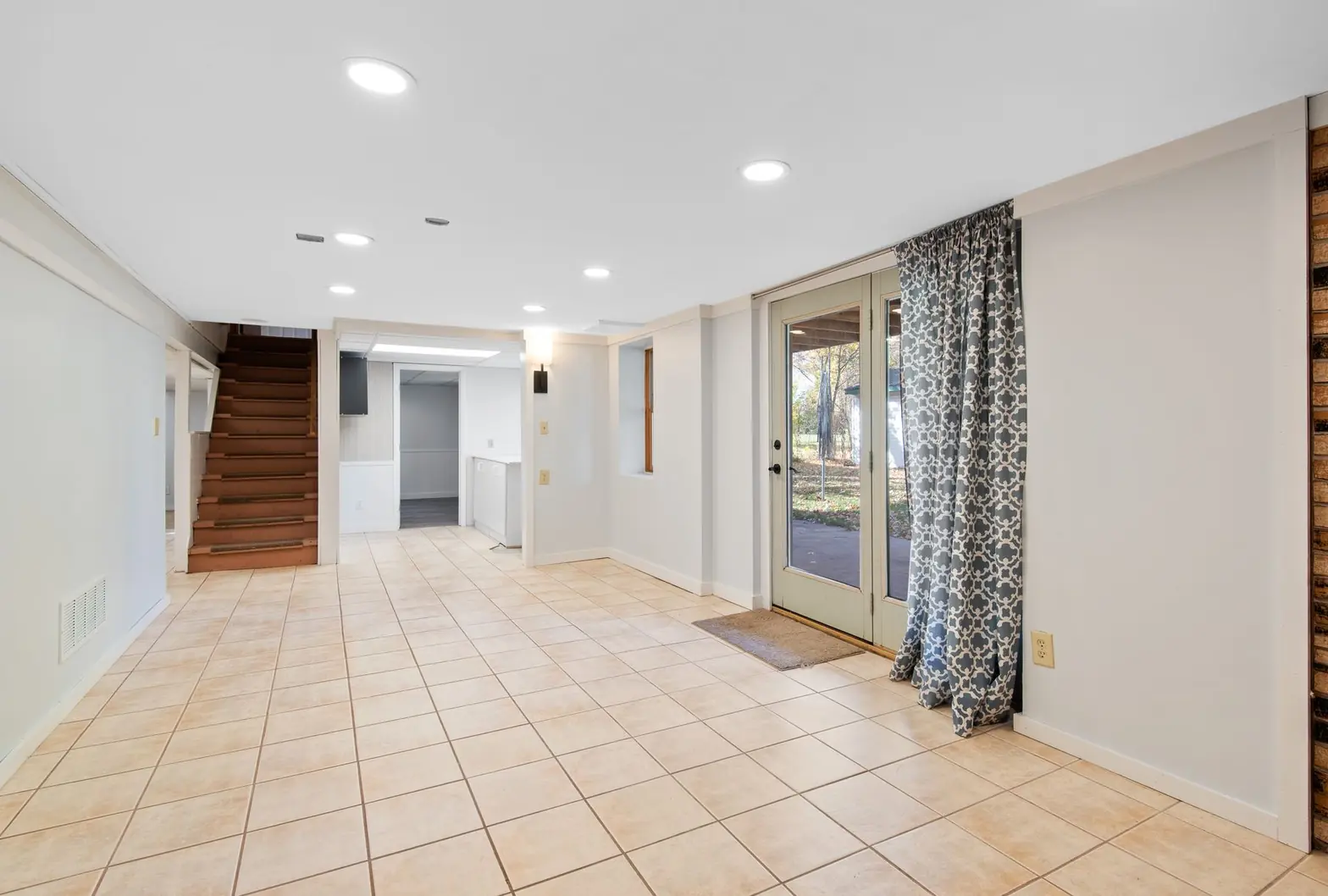
Walkout Basements
A new doorway through the foundation, a dug-out stairwell or graded yard, footings, drains and walls on both sides.
More on walkout basements
Retaining Walls
Block and poured walls that terrace a slope, hold a driveway edge or frame a walkout, with drainage behind every one.
More on retaining walls
Service area
Concrete Repair in these towns
Quotes for concrete repair cover Sandy and these towns:
Salt Lake County
Utah County
Tooele County
Free quotes on concrete repair
A few sentences about the project and how the lot falls are enough to begin a free quote.